
AI Receptionist for Dental Practices: UK Guide
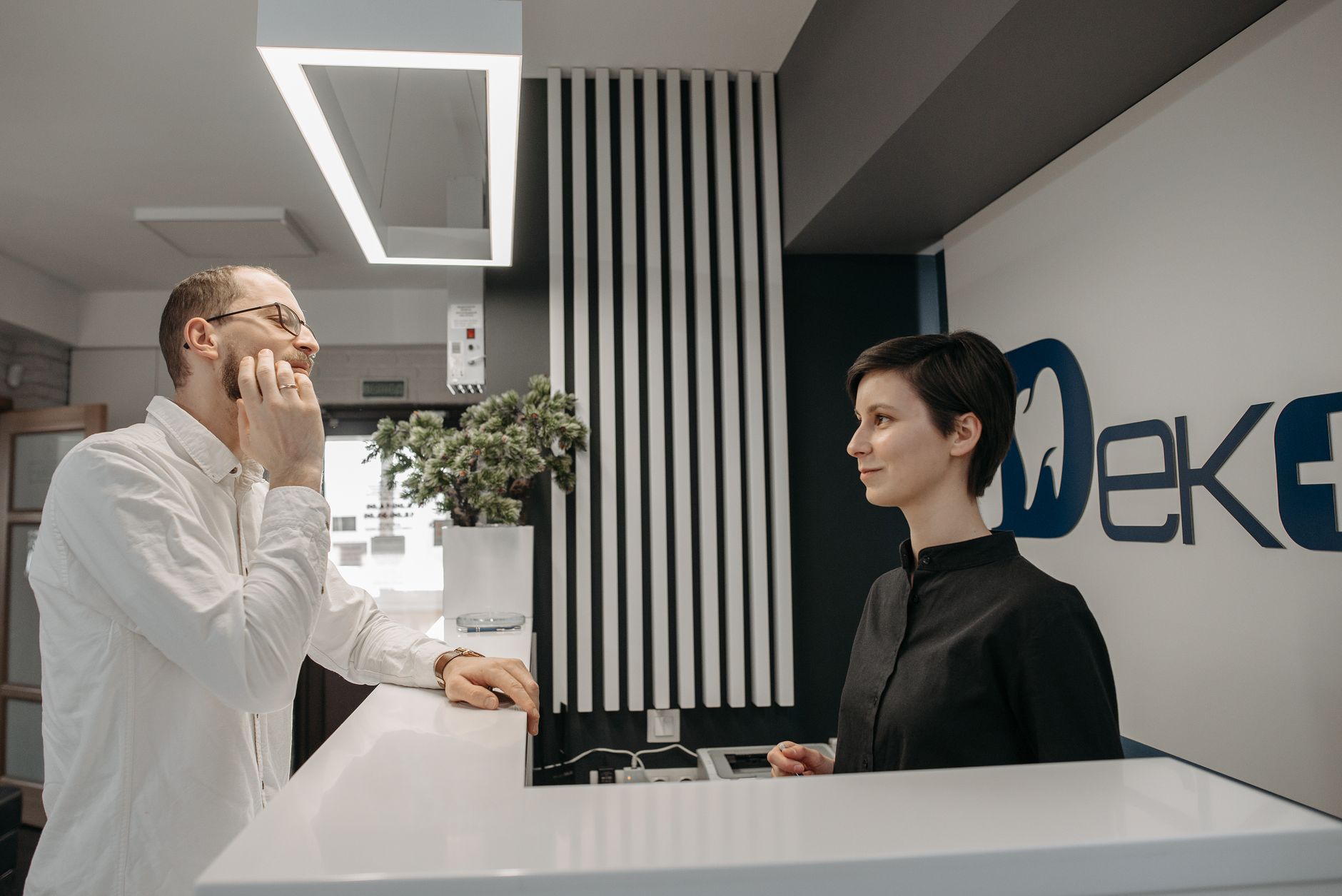
A dental or medical practice that lets calls go to voicemail during a filling or a consultation is losing new patients every single day. An AI receptionist for dental practices answers every call in the time it takes for the phone to ring twice, books the appointment straight into your practice calendar, and does it without a receptionist ever leaving the front desk untended. For clinics handling patient data, that call handling also has to be GDPR compliant, which is where most generic answering services fall short.
This guide covers what an AI receptionist actually does for a dental or medical practice, how the compliance side works in practice, and what it costs to set one up in the UK.
What is an AI receptionist for a dental practice?
An AI receptionist is a voice agent that answers your practice phone line 24 hours a day, holds a natural conversation with the caller, and books, reschedules or cancels appointments directly in your calendar system. It is not a phone tree with pre-recorded menu options. It listens, understands what the patient needs, and responds in real time.
For a dental or medical practice specifically, that means it can:
- Book new patient consultations and recurring check-ups
- Triage urgent calls (a knocked-out tooth versus a routine scale and polish) and flag genuine emergencies
- Answer common questions about opening hours, parking, and what to bring to an appointment
- Take a message and text the patient back if the query needs a clinician's judgement
- Confirm and remind patients of upcoming appointments to cut no-shows
A quotable way to put it: an AI receptionist for dental practices is a 24/7 voice agent that turns every phone call into either a booked appointment or a logged, followed-up enquiry, with nothing left sitting in an answerphone inbox.
Why compliance matters more here than in most industries
A salon or a tradesman losing a caller's name and number to an unsecured spreadsheet is a bad look. A dental or medical practice doing the same thing with patient health information is a regulatory problem. Any medical answering service UK practices use has to handle special category data under UK GDPR, which means:
- Call data and transcripts need to be stored securely, with access limited to people who need it
- Patients need to know how their information is used, ideally covered in your existing privacy notice
- Data retention has to be time-limited and documented, not kept indefinitely by default
- Any third-party processor (including an AI receptionist provider) needs a proper data processing agreement in place
This is the bit that trips up practices who buy an off-the-shelf answering service built for retail or hospitality. Those platforms are rarely built with a data processing agreement or clinical context in mind. When Nyxora sets up an AI receptionist for a dental or medical client, the DPA, retention settings and access controls are configured before the line goes live, not retrofitted after a complaint.
GDPR compliant call handling: what actually needs to be in place
| Requirement | What it looks like in practice |
|---|---|
| Lawful basis for processing | Documented in your privacy notice, usually consent or legitimate interest for booking purposes |
| Data processing agreement | Signed agreement between the practice and Nyxora covering how call data is handled |
| Data minimisation | The AI only captures what's needed to book or triage - name, contact number, appointment reason |
| Retention limits | Call transcripts and recordings deleted or anonymised on a set schedule, not kept forever |
| Access controls | Only authorised staff can view call logs and patient contact details |
| UK data hosting | Call data hosted and processed within arrangements that meet UK GDPR requirements |
How clinic appointment automation works day to day
Once it's live, the AI receptionist sits on your existing practice number - patients dial the same number they always have. Calls that come in outside reception hours, during lunch, or when your front desk is already on another line get picked up by the AI instead of ringing out.
The booking side connects into your calendar or practice management system, so an appointment booked at 9pm on a Sunday shows up in the same diary your receptionist uses on Monday morning. There's no separate system to check, no double entry, and no risk of a phone booking clashing with an online one.
For calls that genuinely need a clinician - a patient describing chest pain during a dental consultation gone wrong, for instance - the AI is configured to recognise the difference between routine and urgent, and either transfers the call live or flags it for immediate callback rather than trying to book it as a standard slot.
If you want the full mechanics of how the underlying technology handles speech, intent and booking logic, our guide on how does an AI receptionist work covers that in detail.
What it costs
Nyxora's AI receptionist for dental and medical practices runs on the same pricing structure as our other small business clients:
- £1,800 one-off setup - covers configuration, calendar integration, compliance setup (DPA, retention rules, access controls) and testing against real call scenarios specific to your practice
- £349/month ongoing - covers hosting, call handling, monitoring and adjustments as your services or hours change
- £50 Virtual Consultation to start - this is credited against your first invoice if you go ahead, so it's not an extra cost, just a way to scope the compliance and workflow requirements before committing
A full breakdown of what drives AI receptionist pricing up or down, and how it compares across providers, is in our AI receptionist cost UK 2025 guide.
AI receptionist vs a traditional medical answering service
Most medical answering services in the UK route calls to a human call centre operator who takes a message and passes it on later. That works, but it's slower, it costs per-minute or per-call fees that scale with volume, and the person answering has no visibility of your actual calendar. An AI receptionist answers instantly, books directly into your live calendar, and costs a flat monthly fee regardless of call volume, whether you take five calls a day or fifty.
The real cost of not answering
A missed call from a prospective patient rarely gets called back. They ring the next practice on the list. For a dental practice charging a few hundred pounds for a private consultation, or a clinic with a full course of treatment behind that first booking, a handful of missed calls a week adds up fast over a year. We've quantified this properly in cost of missed calls small business, and the numbers apply just as directly to a dental reception desk as to a plumber's van.
FAQ
Is an AI receptionist actually GDPR compliant for a dental practice?
It can be, but only if the provider sets up a proper data processing agreement, limits what data is captured, applies retention limits, and restricts access to authorised staff. A generic answering bot with no DPA in place is not automatically compliant just because it's software rather than a person.
Can the AI recognise a dental or medical emergency?
Yes, when it's configured for your practice. The AI is set up with rules around urgent symptoms and escalation, so calls that sound genuinely urgent get flagged for immediate human callback or transferred live rather than booked as a routine appointment slot.
Does it replace my front desk receptionist?
Usually not entirely, at least not straight away. Most practices use it to cover after-hours calls, lunch breaks, and overflow when reception is already on another line, so no call gets missed while staff cost stays the same. Some smaller practices do use it as their only call handling, running the whole reception line through the AI from day one.
How long does setup take for a practice?
Typically a couple of weeks from the initial £50 Virtual Consultation to going live, most of which is spent configuring the compliance settings and testing call flows against real scenarios specific to your practice's services and hours.
What happens to call recordings and transcripts?
They're stored under the retention schedule agreed in your data processing agreement, with access limited to authorised staff, and deleted or anonymised once that retention period ends rather than kept indefinitely.